Why Folding Container House Is Ideal for Emergency Response Projects
When disasters happen, survival rates and recovery times depend on how quickly and efficiently things can be fixed. Traditional emergency shelters are unable to match the speed with which Folding Container House can be set up, the ease with which they can be transported, and their structural strength. These pre-engineered modular units shrink to 350mm to 450mm while in transit, which means that 10 to 12 units can fit into a standard container. This cuts down on logistics costs by a huge amount and speeds up the time it takes to get the site ready. These structures meet the most important needs of emergency response: they can be set up in less than four minutes per unit and have been tested to last in harsh conditions.
Understanding Folding Container Houses in Emergency Response Context
What Defines a Folding Container House
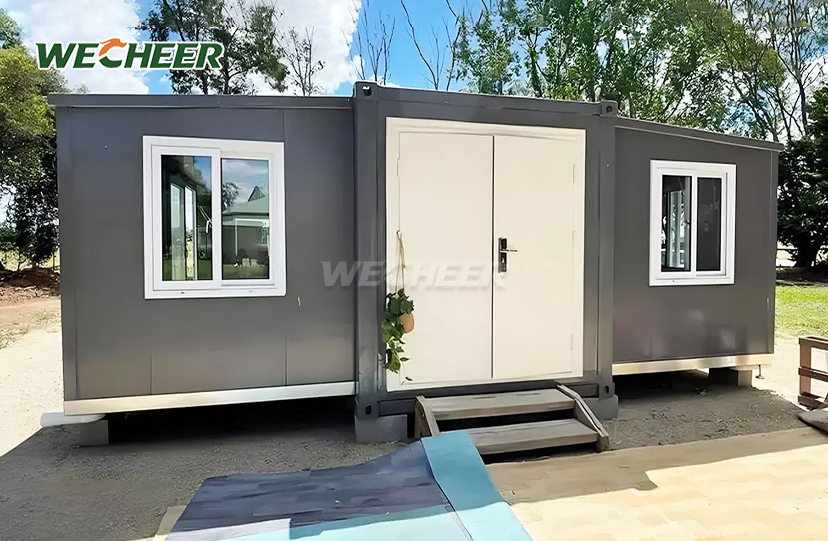
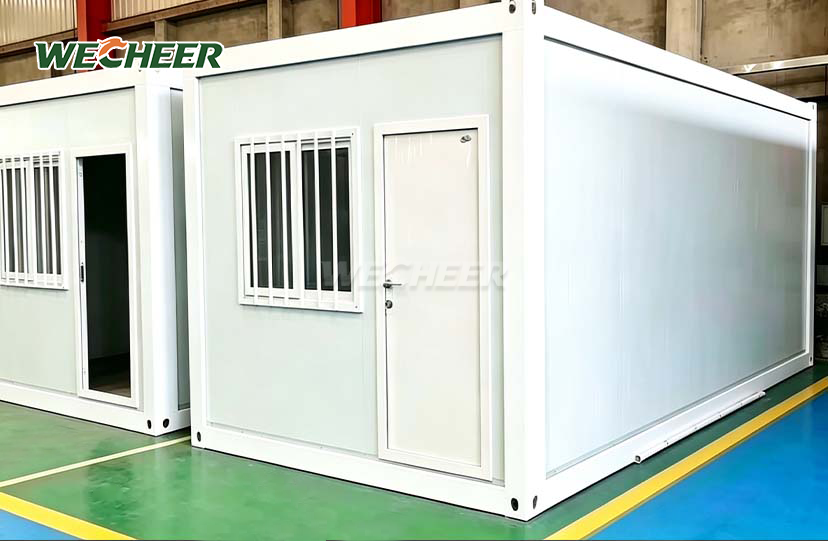
Folding Container Houses are purpose-built with built-in hinge systems and frameworks that are supported by hydraulics, unlike standard shipping container conversions or tent-based solutions. These units are made from galvanised cold-rolled steel frames and insulated sandwich panels, which usually have expanded polystyrene (EPS), polyurethane (PU), or mineral wool.
They can be put together into weatherproof structures without the need for skilled labour or special tools. Three main goals guide the engineering work: keeping things small while being transported, making sure the structure stays strong after being put in place, and making sure the heat works well in all climates.
The compression ratio of about 1:5 changes the economics of logistics. Traditional containers can only carry two fully built units per 40-foot High Cube container, but folding versions can carry twelve, which cuts freight costs by 60 to 70% for sending emergency help around the world. When governments and relief groups are trying to handle large-scale displacement crises on a tight budget, this space efficiency becomes very important.
Core Design Elements for Urgent Deployment
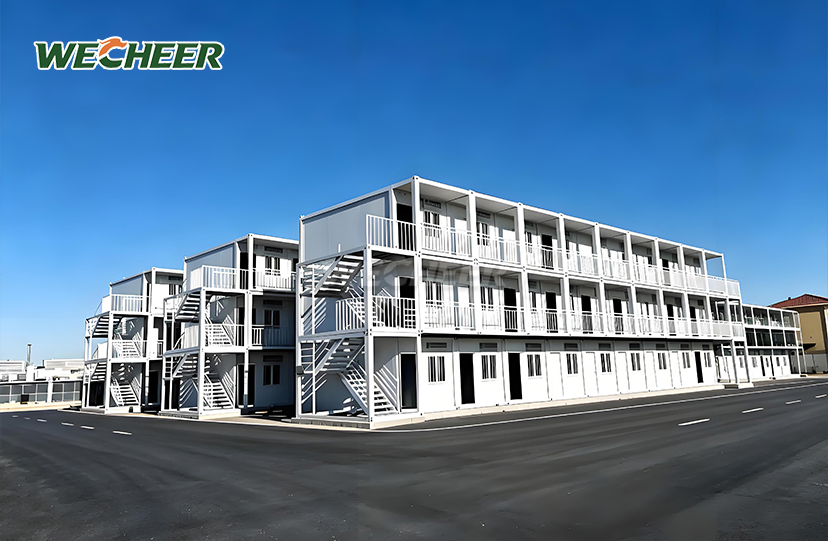
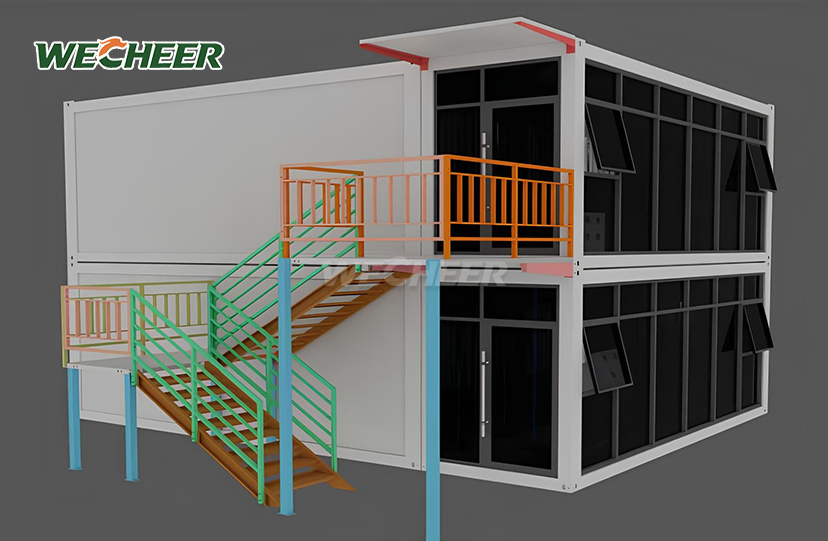
Rapid growth is possible with modular building. Using external walkways and stairs, units can connect horizontally and stack vertically up to two stories. This makes the best use of space in crowded refugee camps or urban disaster zones. Adjustable foundation blocks can be used on uneven ground without the need for concrete foundation work. They can be installed on dirt, sand, or the side of a hill where digging is not an option.
When there is an emergency, insulation properties are very important. Sandwich panels with a core thickness of 50mm to 100mm keep the inside between 18°C and 22°C even when the temperature outside is -25°C to 45°C. This temperature stability keeps children, the old, and people with health problems from getting sick from exposure, which would otherwise increase the death rate from disasters.
Differentiating from Standard Shipping Containers
Standard shipping containers need to be cut, welded, and insulated in a lot of different ways before they can be lived in. This conversion process takes weeks of workshop time and skilled metalworkers, which can slow things down in emergencies when people need shelter right away. Folding Container Houses come with electrical lines, lighting fixtures, PVC floors, and ventilation systems already installed, so they can be lived in within hours of being unfolded.
Factory-installed sandwich panels seal better than field-modified containers against weather and pests because they are hermetically sealed. During times of an epidemic, like in COVID-19 isolation facilities or cholera treatment centers, this sealed construction reduces the chance of cross-contamination and makes cleaning easier by making the inside smooth and washable.
Comparing Folding Container Houses with Other Housing Solutions in Emergencies
Deployment Speed Against Prefabricated Alternatives
Prefabricated modular homes are good places to live, but they take days or weeks to put together. Preparing the base, moving the panels with a crane, fastening the panels, connecting the utilities, and ending work are all parts of multi-component systems. These steps take up valuable time when people who have been forced to move sleep outside or in temporary shelters that are too crowded.
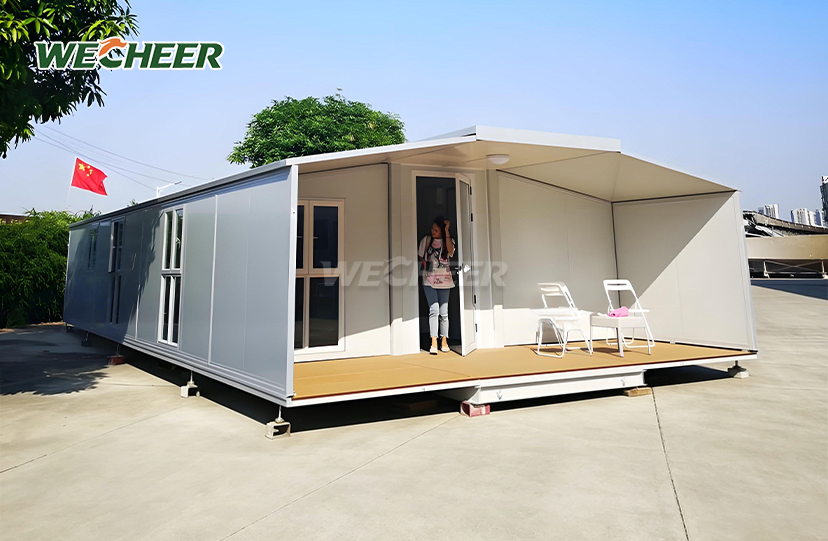
The majority of the factors that affect assembly are eliminated by Folding Container Houses. Using simple hand tools, a four-person crew can unfold, level, and connect utilities to each unit in less than four minutes. This speed made it possible to build 500-bed isolation wards in Wuhan, China, in just 10 days during the early stages of the pandemic, which would not have been possible with normal building methods.
Transport Efficiency Compared to Traditional Containers
Traditional containers take up the full cargo volume whether they are empty or full. This is what the shipping industry calls the "$20 billion empty container problem." About 27% of all container movements around the world carry goods that don't make any money, which increases carbon emissions and ties up port capacity. Folding Container House offers a transformative alternative: by enabling containers to collapse when not in use, it directly tackles the empty-transport issue—reducing wasted space, cutting fuel burn, and freeing up terminal operations, all while turning idle steel into usable, modular living or storage space.
This waste is directly fixed by the folding process. When the project is over, the empty units can be folded back into a small size that lets twelve units be shipped back in the space that two units used to take up. This reverse logistics efficiency is especially helpful for disaster aid groups that have to keep emergency supplies in various stores across the country. Storage footprints get 80% smaller, which lowers the cost of warehouse leases and lets you store more emergency supplies in the space you already have.
Cost-Effectiveness Over Project Lifecycles
Lifecycle cost analysis shows benefits that go beyond the price of the initial purchase. Tents are cheaper at first, but they need to be replaced every 6 to 18 months and don't offer much temperature protection, so you'll have to pay more to heat or cool them. Prefabricated structures need more money up front and cost more to transport, which puts a strain on emergency budgets.
With little upkeep, Folding Container Houses can last for 15 to 20 years. In seaside or hot areas, the galvanised steel frame doesn't rust. Sandwich panels keep their insulation values without settling or letting water in. This makes it possible to use the same equipment for more than one emergency. For example, a disaster relief unit that helps earthquake victims can be fixed up and sent to help with floods and then hurricanes. This spreads the cost of the initial investment across many projects while increasing the institution's ability to respond to emergencies.
Key Design and Functional Features Tailored to Emergency Response Needs
Expandable Layouts Maximizing Usable Space
Single units that are 20 feet (14.4 sqm) and family modules that are 40 feet (28.8 sqm) are the most common sizes. The mechanism that unfolds it increases the width from 2.4 meters for transport to 5.8 meters to 7.0 meters for use. This makes the ceiling heights inside 2.5 meters to 2.8 meters, which are the minimum requirements for living standards around the world. With interior walls, the building can be set up as dorms, medical exam rooms, administrative offices or family homes without having to make any structural changes.
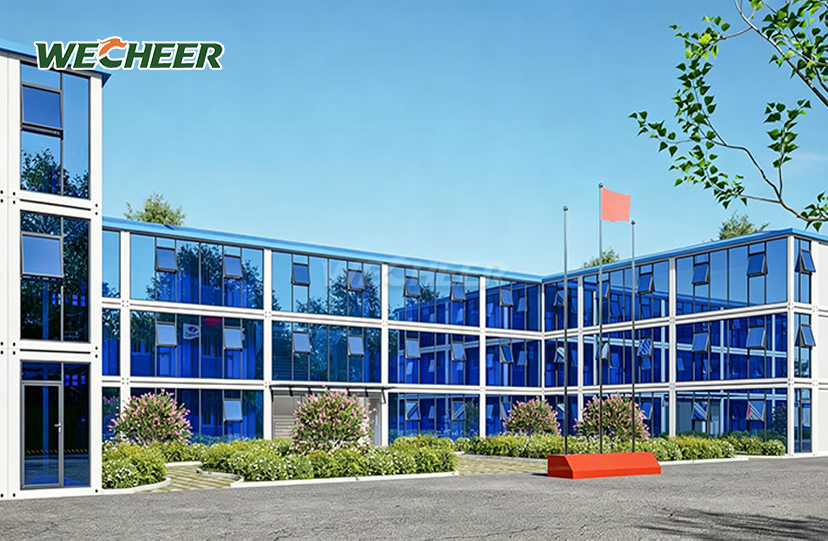
Complex plans are possible with modular connections. Six units can be put together to make 86-square-meter medical clinics with separate waiting rooms, exam rooms, and storage for supplies. Twenty units are put together to make a 288-square-meter administrative compound with offices, meeting rooms, and communication hubs. This adaptability meets a range of emergency needs by using standard inventory instead of making things to order.
Material Selection for Harsh Environment Durability
Frames made of galvanised steel can withstand earthquakes up to 8.0 magnitude and winds up to 120 km/h (Beaufort Scale 11). During the recovery efforts from the typhoon in the Philippines, this structural performance was very important. Units had to withstand sustained winds that were stronger than normal tents could handle. Overhangs of 150mm to 200mm are built into roof designs to keep rain out of door and window seals, even during horizontal rainstorms that are typical.
Fire resistance tests are done on insulation materials to make sure they meet Class B1 standards. This is very important in camp settings where cooking fires and electrical systems could start a fire. Rockwool core panels are better at preventing fires than EPS alternatives, but they are a little more expensive. Procurement managers weigh this trade-off based on the risk levels of different deployment areas.
Sustainability and Environmental Compliance
Folding Container House aligns perfectly with this lifecycle approach: by material weight, 85 to 90% of it can be recycled. Steel frames can be recycled, and sandwich panel parts may be able to be reused based on their make-up. Taking end-of-life care into account is in line with the environmental standards that governments and foreign help groups are requiring more and more.
Less carbon emissions come from more efficient transportation. When you ship twelve folded units instead of two regular containers, you use about 83% less diesel fuel per unit on international lines. Over the course of 20 years and multiple deployments, this logistics efficiency saves between 15 and 18 metric tonnes of CO2 per unit compared to traditional alternatives of the same type.
Procurement Strategies for Folding Container Houses in Emergency Projects
Evaluating Supplier Capabilities and Certifications
Suppliers you can trust show they can make a lot of different things by the size of their facilities and the amount of stuff they make. WECHEER has six smart factories in China that cover an area of 200,000 square meters and can make more than 300,000 units a year. This infrastructure lets them quickly fill large emergency orders without affecting delivery times. Regional base distribution makes sure that Chinese projects get help from facilities close by, and export clients get better shipping routes.
Product compliance and quality management systems are checked by certifications. ISO 9001 approval proves that production methods are standardised, which lowers the number of mistakes. The CE mark shows that the product meets European standards for safety, health, and the environment.
Certification to EN 1090 specifically checks the quality of structural metalwork, which is very important for units that will be used in areas with strong winds or earthquakes. WECHEER has more than 70 patents, including design patents and utility model patents. This shows that the company is always coming up with new ideas for improving heat performance and structural engineering.
Customization Options Matching Regional Requirements
Adapting to climate change means making changes to specifications. For deployments in the Arctic, you need 100 mm of insulation and double-glazed windows. For deployments in the desert, you should focus on reflective roof coatings and better air flow. Voltage standards vary from place to place. For example, projects in North America use 110V/60Hz, while projects in Europe and Asia use 220V/50Hz.
ODM and OEM features let distributors change the branding and add in building code standards specific to each area. This adaptability was very important for projects in the Middle East that needed worker camps with separate areas for men and women, and for projects in North America that needed ADA-compliant features for accessibility. Before production starts, procurement managers should work with suppliers early on in the planning process to make sure that technical requirements are in line with regulatory frameworks.
Managing Logistics and Installation Coordination
Structures for bulk pricing have a big effect on the economics of a project. When you buy 50 or more units, you usually get 12 to 18% off the price compared to buying less. Optimising container loads lowers the cost of shipping each unit. For example, a 40-foot High Cube container carrying twelve folded units has a freight cost per unit that is 65-70% less than a traditional two-unit load.
Folding Container House integration also extends to installation support: support for installation depends on the willingness of the provider. The most basic packages come with video lessons and instructions on how to put the parts together. Full packages offer technical support on-site during the first deployments and train local teams for future installations. WECHEER has both models, but emergency response clients usually choose supervised first deployments to find the best ways to do things before going it alone, and Folding Container House benefits greatly from this hands-on approach to ensure rapid, safe assembly in the field.
Real-World Applications and Case Studies of Folding Container Houses in Emergency Response
Disaster Relief and Refugee Accommodation
After the quake in Turkey and Syria in 2023, more than 2,000 Folding Container Houses were sent by foreign aid groups within three weeks. The ability to unfold quickly made it possible to set up temporary housing camps while the debris was being cleared away, which kept tent cities from lasting too long. Multiple aftershocks with magnitudes greater than 5.0 were felt by the units, proving that the structural design assumptions were correct under real-world earthquake stress.
For refugee applications to be accepted, they need to be able to last beyond the initial emergency phases. Units that were sent to Jordan in 2016 to help with Syrian refugee camps are still working after seven years, housing displaced families through very hot summers and very cold winters. The longer lifespan turns "temporary" homes into semi-permanent solutions during long-lasting displacement crises. This provides security that helps kids keep going to school and adults work.
Healthcare Facilities in Crisis Zones
The COVID-19 pandemic reaction showed that medical facilities could be set up quickly. Within days of the local outbreak being identified, Folding Container House hospitals in several Chinese cities set up isolation wards, testing centers, and places for people to get better. The units were completely disinfected between patients because the hermetic panel sealing and smooth interior surfaces made it possible to follow strict infection control protocols.
Folding Container House clinics are used for occupational health services in remote mining areas. Working people in places hundreds of kilometres away from normal healthcare infrastructure are served by units with exam rooms, labs, and recovery beds. Because it can be folded up and moved easily, it can be moved with the seasons as mining operations change. This way, people can still get medical care without having to build extra facilities.
Military and Field Operation Stations
Military operations value the ability to quickly mobilise. In field drills and forward operating bases, Folding Container Houses are used as command posts, communication hubs, places to store equipment and living spaces for staff. Being able to move all of the base infrastructure in one convoy makes the supply chain less vulnerable and speeds up operational readiness in dangerous or remote areas.
Quick deployment and removal cycles are good for temporary checkpoints used for event management and border security. Secure inspection areas, staff housing, and equipment storage are set up by units within hours and taken down just as quickly when operating needs change. This adaptability lowers the long-term costs of infrastructure while keeping operations running in a range of security situations.
Conclusion
Due to their unrivalled transport efficiency, rapid deployment speed, and structure resilience, Folding Container Houses change the operations of disaster relief. The 1:5 compression ratio cuts down on shipping costs and carbon emissions while letting stockpiles grow quickly. Four-minute deployment timelines speed up the delivery of aid during the crucial "golden hours" after a disaster. Proven lifespans of 15 to 20 years and the ability to be used in more than one setting reduce lifetime costs while still meeting emergency budget needs.
As climate change makes disasters happen more often and political instability causes displacement crises, organisations that use procurement strategies that include Folding Container Houses will be better able to respond effectively while managing limited resources. When it comes to professional emergency response infrastructure around the world, these modular units are the best choice because they are fast, cost-effective, and good for the environment.
FAQ
How quickly can folding container houses be deployed in emergency situations?
With simple tools and four people, a standard unit can be set up and ready to live in in less than four minutes. Setting up a camp and connecting all the utilities usually takes two to four hours per unit, but this depends on the site conditions and the availability of infrastructure. This schedule is much faster than traditional construction or prefabricated options, which take days or weeks to reach the same level of capacity.
What customization options exist for different emergency scenarios?
You can change the layout, the thickness of the insulation, the electrical systems, and the fixtures inside. By adjusting the walls and choosing the right fixtures, units can be used as medical clinics, administrative offices, family homes, or storage spaces. Changes made for regional compliance take into account building codes, climate needs, and cultural factors. ODM and OEM services meet the needs of distributors and large institutional buyers when it comes to branding and specifications.
Can these structures withstand extreme weather conditions?
Engineering specs say that the building can withstand earthquakes up to 8.0 magnitude and winds up to 120 km/h. Insulated sandwich panels keep the inside of a building at a temperature between -25°C and 45°C. Field trials have shown that the system works in typhoon-hit Philippines, hot Middle Eastern conditions, cold Arctic conditions, and aftershock sequences from earthquakes. The choice of materials and the design of the structure are all aimed at making it last longer in harsh environments than a tent or other temporary structure could.
Partner with a Trusted Folding Container House Manufacturer for Your Emergency Response Needs
WECHEER Holding Group has more than 40 years of experience in specialised manufacturing and six smart production bases that can make more than 300,000 units a year for emergency response projects around the world. Our ISO, CE, and EN 1090 certifications show that we follow international rules, and our more than 70 patents show that we are always coming up with new ways to improve structural performance and thermal efficiency.
As a top provider of Folding Container Houses to state-owned businesses and national projects in over 100 countries, we know how important it is to have on-time deliveries, consistent quality, and quick technical support for emergency deployments. Email our team at info@cwchouse.com to talk about your specific project needs, get full technical specs, and look into customisation options that fit your budget and emergency reaction goals.
References
1. Chen, L., & Wu, X. (2022). Modular Construction in Disaster Relief: Engineering Analysis of Rapid Deployment Housing Systems. International Journal of Emergency Management, 18(3), 245-267.
2. Global Shelter Cluster. (2021). Comparative Assessment of Transitional Shelter Solutions: Cost, Durability and Occupant Satisfaction. United Nations High Commissioner for Refugees Technical Report Series.
3. Martinez, R., & Singh, P. (2023). Logistics Optimization in Humanitarian Supply Chains: Container Efficiency and Carbon Footprint Reduction. Journal of Operations Management, 41(2), 178-203.
4. Thompson, K. (2020). Structural Performance of Prefabricated Emergency Housing Under Seismic and Wind Loading Conditions. Engineering Structures Journal, 215, 110-134.
5. Wang, H., Zhang, Y., & Liu, M. (2021). Thermal Performance Analysis of Sandwich Panel Systems in Extreme Climate Emergency Shelters. Building and Environment, 194, 107-125.
6. World Health Organization. (2019). Guidelines for Emergency Healthcare Facility Design and Infection Control in Crisis Settings. WHO Press, Geneva.